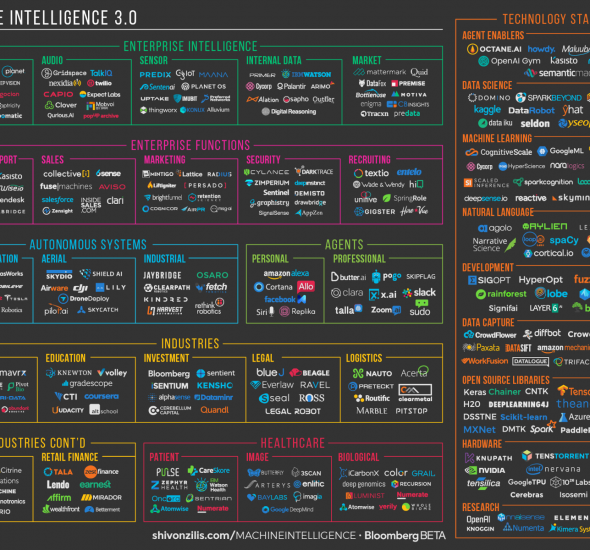
It's increasingly complex to select machine intelligence tools for scraping workflows. Not just cost estimation — the number of intelligence types and vendors multiplies yearly.
Machine Learning (classification, anomaly detection): use for dedup scoring, change detection, and quality flags. Tools: scikit-learn, custom models on scraped features.
NLP (sentiment, entity extraction, categorization): use for review analysis, news tagging, forum monitoring. Tools: spaCy, Hugging Face transformers, OpenAI API.
OCR (image text extraction): use for PDF listings, scanned documents, product labels in images. Tools: Tesseract, Google Vision, AWS Textract.
LLM (structured extraction from unstructured HTML): emerging — prompt GPT-4 to return JSON from page text. Best for heterogeneous sites; validate outputs rigorously.
Computer Vision: product image matching, CAPTCHA research (we handle ethically in production pipelines).
Our recommendation: start rules-based (selectors, JSON-LD), add ML/NLP for specific enrichment steps, adopt LLM extraction for long-tail heterogeneous sources. Jean Cailleux, our AI tech lead, architects hybrid pipelines daily.
Contact us to discuss which layer fits your project — often simpler than you think.